
A guide for parents
Choosing a first youth program: look beyond the grade label.
Compare experience, teaching format and the player’s goals before choosing the first session.
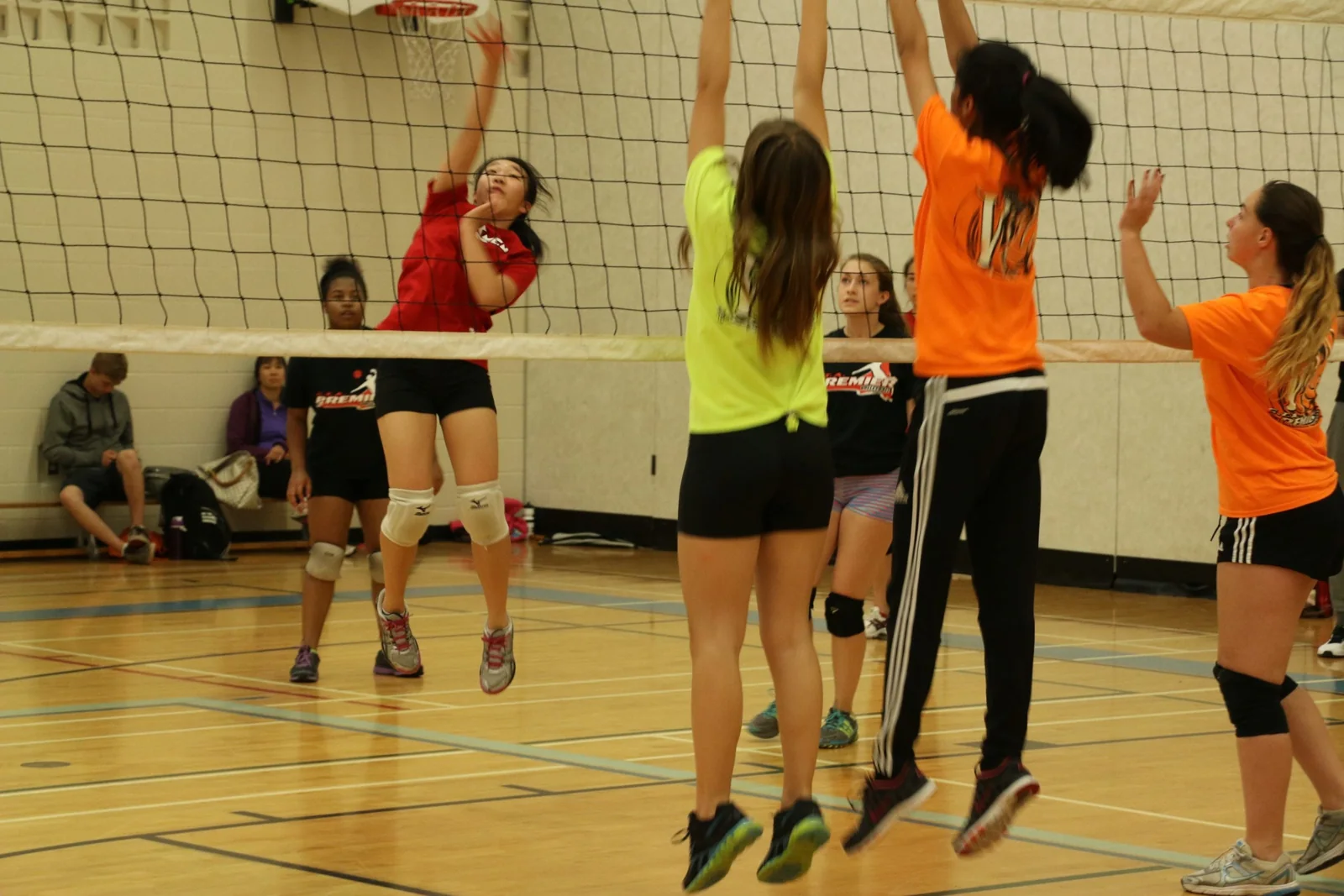
Start with what they have actually done.
A grade range tells you which school group a program serves. It does not tell you everything about how a child will spend the session or what they are expected to know. A useful first choice starts with the player’s experience and the kind of learning environment they need.
A child who has only encountered volleyball briefly at school can have a different starting point from someone who has taken regular lessons. A player who enjoys games may still want help with technique. Describe that experience plainly before selecting a program name. You are looking for a session that meets the player where they are, rather than the most advanced title available for their age.
Compare the learning environment.
Pakmen’s beginner routes illustrate why the format matters. Spikes introduces younger players through instruction and modified games. Technique Tutoring provides a smaller-group beginner environment for older youth. The published grade ranges overlap, so a Grade 6 family can compare how the two formats teach rather than assuming one answer follows automatically from the grade.
An introduction to the basics
Use the Spikes information to compare the learn-to-play format and its published grade range with your child’s starting point.
Focused beginner practice
Use Technique Tutoring information when comparing a smaller-group route for its published older-youth range.
Once a player has some fundamentals, the next choice is not simply beginner versus advanced. A development format can combine coaching with structured play. Other leagues devote more of the session to games with experienced players. Ask whether the player needs more time learning a skill, more opportunities to apply it or both.
Keep experience requirements visible.
An age-appropriate league can still have entry conditions. The relevant Development grade group, for example, has its own experience or recommendation guidance. Advanced offerings can require school-team experience or coach promotion. Read the exact program’s requirement before treating a grade match as a suitable placement.
Choose a sustainable session.
After narrowing the format, compare the actual local session. The program’s teaching approach, applicable group and venue should work together. A convenient building does not compensate for the wrong learning environment, and the right program name does not guarantee that every venue offers the same group.
Use the coach conversation well.
Bring a short account of previous lessons, regular games, team involvement and any placement recommendation. If the child is new, say so. If they know the basics but lack confidence in games, describe that. Specific information makes the discussion about the player’s next need.
- What has the player tried so far?
- What do they enjoy, and where do they want help?
- Have they received a coach’s placement recommendation?
- Which relevant session and venue work for the family?
Choose a useful beginning.
The aim is a suitable beginning, not a permanent label. Choose an environment where the player can learn and participate appropriately, then use real feedback when considering a later step.